
Information Box Group
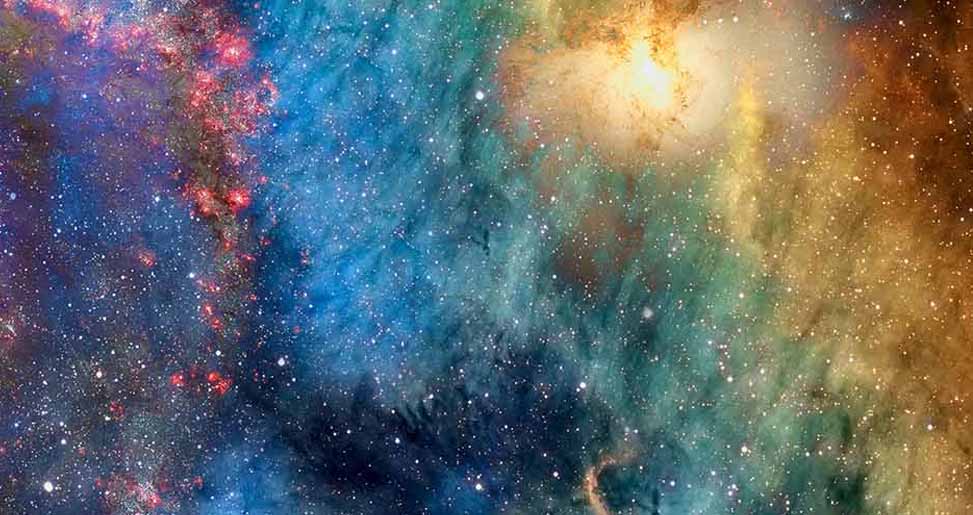
Astrobiology - Learn More
Degrees offered: M.Sc., Ph.D.
Research Areas: Astrobiology; Origins of Life; Prebiotic Chemistry; Evolution; Planetary Systems; Geochemistry; Biosignatures; Space Exploration Missions
Description: A collaborative program between Faculties of Science and Health Sciences under the umbrella of the Origins Institute.
Application Procedure: Students should apply to one of the collaborating departments and mention Astrobiology in the application. Please read the application procedure on the Program Website.
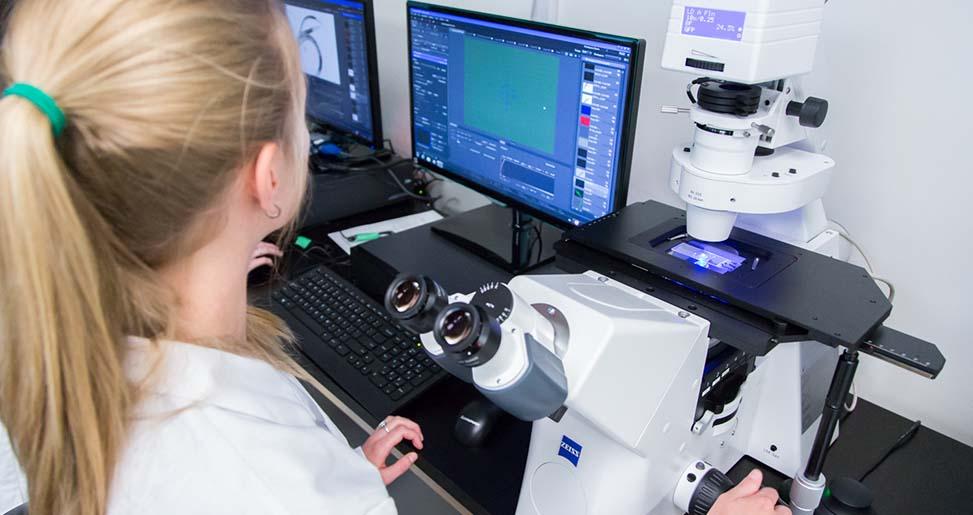
Biology - Learn More
Degrees offered: M.Sc., Ph.D.
Description: Biology is one of the most significant and exciting fields of science in the world today. Biologists study a broad range of topics in living systems that are highly relevant to our communities. Biology graduates pursue rewarding careers in research, health care, environment, education, and industry.

Chemical Biology - Learn More
Degrees offered: M.Sc., Ph.D., MD/Ph.D.
Description: Chemical biology involves the use of small molecules to affect living systems. This multi-disciplinary approach to studying living systems incorporates everything from synthetic and analytical chemistry to structural and molecular biology.

Chemistry - Learn More
Degrees offered: M.Sc., Ph.D.
Description: Chemistry deals with the properties and reactions of molecules and materials, and their interactions with energy and with one another. Chemistry is central to the development of a diverse range of products, and in detecting and identifying substances in our environment.

Computational Science & Engineering - Learn More
Degrees offered: M.A.Sc., M.Sc., M.Eng., Ph.D.
Description: Computational Science and Computational Engineering are rapidly growing multi-disciplinary areas connecting engineering, science, business, mathematics and computer science to create new, powerful tools for real-world discovery and understanding.
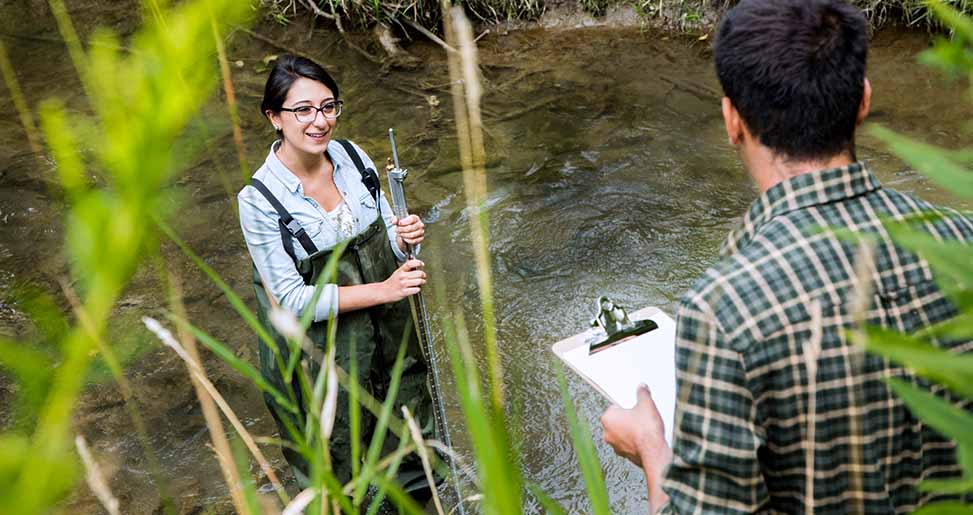
Earth & Environmental Sciences - Learn More
Degrees offered: M.Sc., Ph.D.
Description: Earth and Environmental Sciences focuses on environment, water, climate, geochemistry and geology.
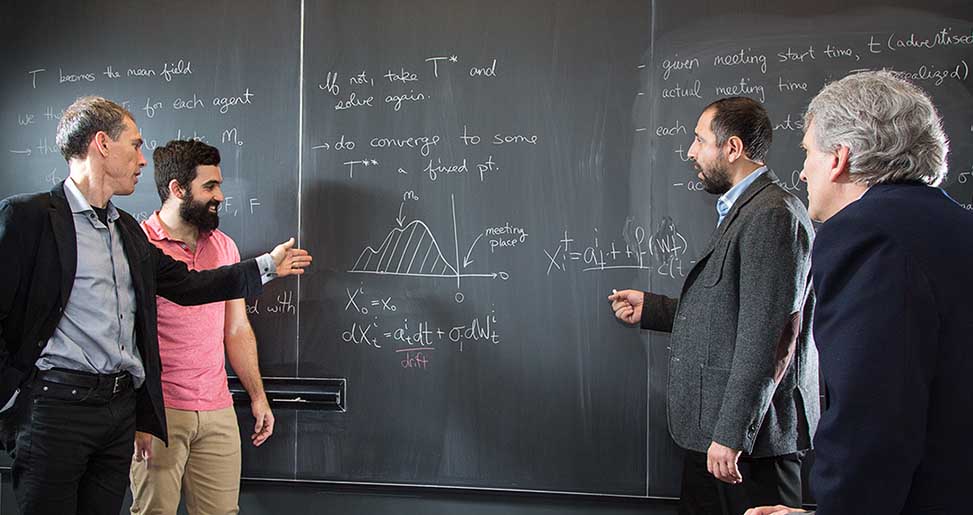
Financial Mathematics (Phimac) - Learn More
Degrees offered: M.FM.
Description: Financial mathematics applies methods of mathematics, statistics, computational science and economics to core problems arising in financial institutions. Its scope ranges from traditional problems such as securities valuation and portfolio optimization to current issues such as risk management and high frequency trading.
Geography - Learn More
Degrees offered: M.A., M.Sc., Ph.D.
Description: Geography focuses on environment and health, geographic information systems and social geography.
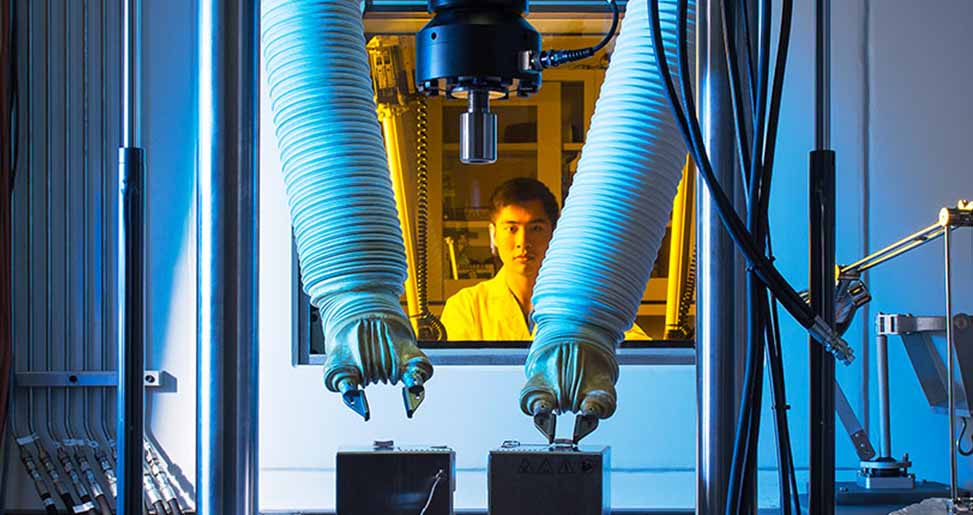
Health & Radiation Physics - Learn More
Degrees offered: M.Sc.
Description: Health Physics is interdisciplinary, bridging the fields of medicine, biology, engineering and physical science. It provides scientific method and knowledge of Radiation Protection to the Health Care and Nuclear industries and regulatory bodies.
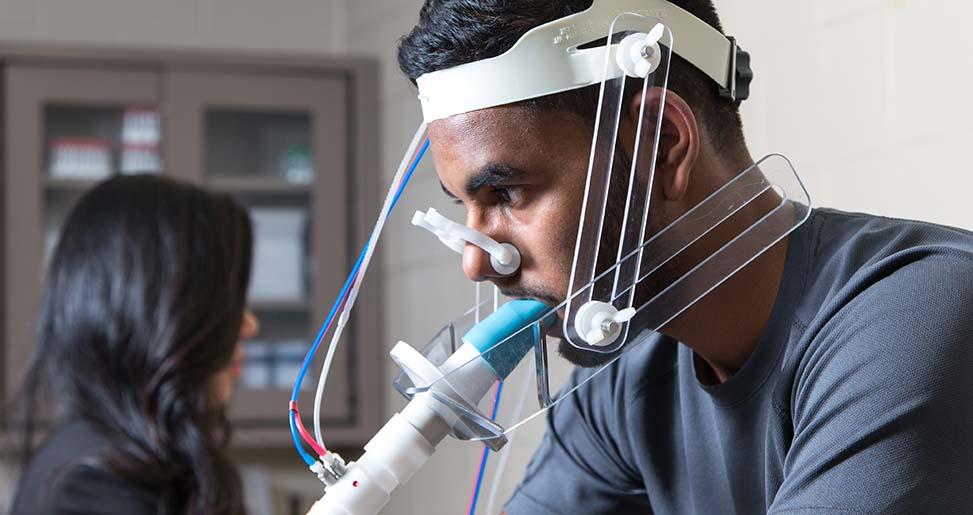
Kinesiology - Learn More
Degrees offered: M.Sc., Ph.D.
Description: Program is primarily research oriented with opportunities for study in human performance physiology, exercise rehabilitation, motor behaviour and control, health psychology and biomechanics. One emphasis of the program is research related to the problems encountered by a special populations during physical activity and to the adaptation of human movement to meet the special requirements of these populations.

Mathematics - Learn More
Degrees offered: M.Sc., Ph.D.
Description: Particular strengths in mathematics research include geometry and topology, mathematical biology, mathematical finance, mathematical logic and foundations, pure and applied partial differential equations, scientific computation and statistics.
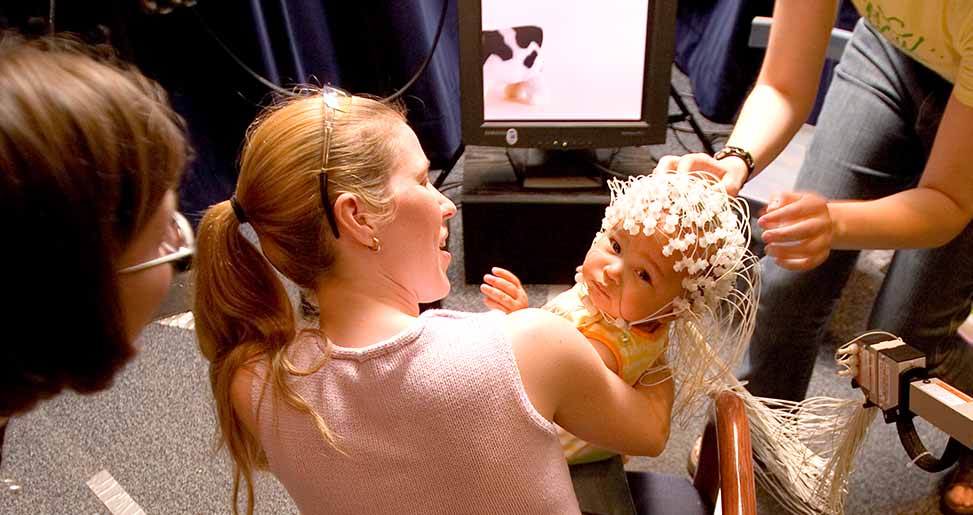
Neuroscience (MiNDs) - Learn More
Degrees offered: M.Sc., Ph.D.
Description: The Neuroscience Graduate Program is a research intensive interdisciplinary graduate program in Neuroscience that includes faculty members from Health Sciences, Science, Humanities and Engineering. The range of research interests and expertise of the faculty members make this program a unique training environment for graduate students. The strength of our faculty and the resource-rich environment are the main reasons why the students choose The Neuroscience Graduate Program (MiNDS) for their graduate studies.
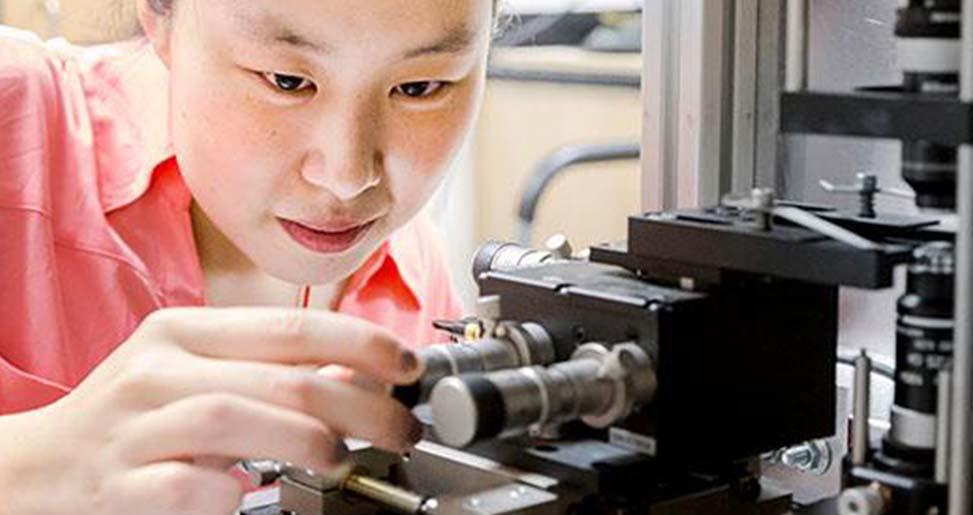
Physics & Astronomy - Learn More
Degrees offered: M.Sc., Ph.D.
Description: The Department of Physics & Astronomy at McMaster is committed to exploring new and ground-breaking areas of research, with faculty members working in quickly-developing research areas as biophysics, polymer physics and quantum computing, combined with explorations of the newest developments in astrophysics, cosmology, condensed-matter and nuclear research.
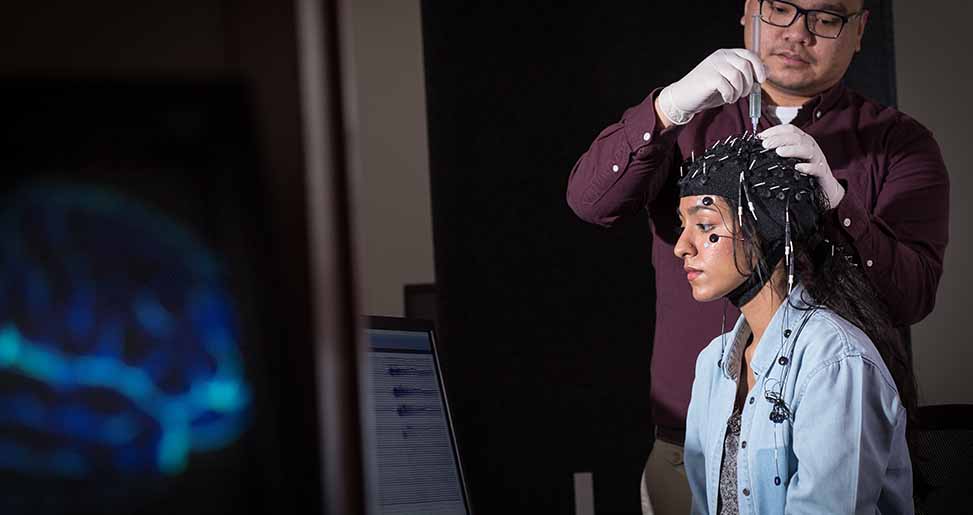
Psychology, Neuroscience, & Behaviour - Learn More
Degrees offered: M.Sc., Ph.D.
Description: Our graduate program is strongly research-oriented and provides flexibility to optimize your program around your research interests. We offer students strong and diverse research programs and our Research and Clinical Training stream. The breadth of our research areas provides a rich academic environment and hand-ons research opportunities for our trainees.
Radiation Sciences - Learn More
Degrees offered: M.Sc., Ph.D.
Description: Radiation Sciences is broadly interdisciplinary, bridging the fields of medicine, biology, engineering and physical science. It provides scientific method and knowledge to certain industrial sectors, especially the Health Care and Nuclear industries.
Statistics - Learn More
Degrees offered: M.Sc.
Description: Statistics is the discipline that describes the construction of stochastic models that are suitable for analyzing data. Due to the very nature of this discipline, it has found key applications in many different fields within Science, Engineering, Business and Medicine. In addition, the discipline also has many theoretical developments dealing with better and more efficient methods of analysis.